
Condition Explained
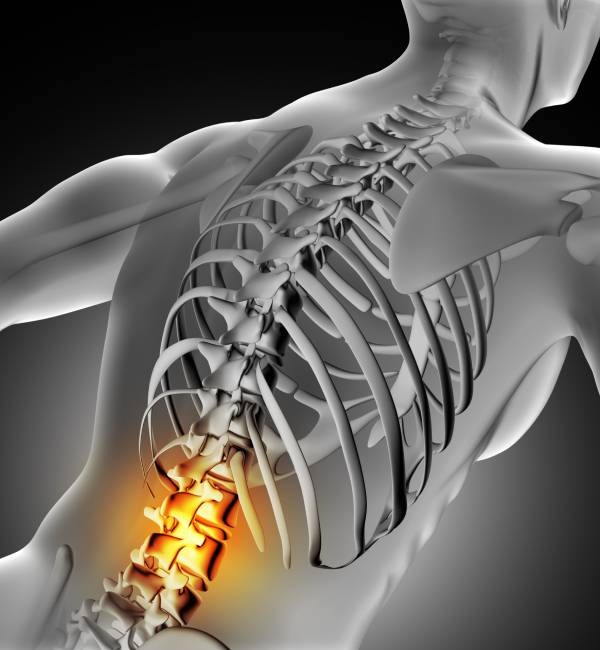
Each intervertebral disc is composed of a tough fibrous outer ring (annulus fibrosus) and a soft, gel-like inner core (nucleus pulposus). A herniated disc — also called a slipped or ruptured disc — occurs when the nucleus pushes through a tear or weak point in the annulus, protruding into the spinal canal. This displaced disc material can directly compress adjacent nerve roots or the spinal cord and also releases inflammatory chemicals that further irritate neural structures.
Disc herniation most commonly occurs in the lumbar spine (L4–L5 and L5–S1 levels), causing sciatica — a sharp, shooting pain that travels from the lower back through the buttock and down the leg. Cervical herniations (in the neck) cause arm pain, numbness, and weakness. Herniated discs can result from sudden trauma (such as lifting a heavy object), or develop gradually from cumulative wear and degeneration.
Common Symptoms
- Sharp, shooting pain radiating from the neck into the arm or from the lower back into the leg
- Numbness, tingling, or a "pins and needles" sensation in the arm, hand, leg, or foot
- Muscle weakness in the affected limb
- Pain that worsens with coughing, sneezing, or straining
- Pain that is often worse on one side of the body
- Loss of bowel or bladder function (Cauda Equina Syndrome) — a surgical emergency
Smart Living
Smart living offers automation, comfort, security, and efficient modern lifestyle solutions.
Eco construction
Eco-friendly construction ensures sustainability, energy efficiency, and healthier living environments.
Good locationn
Prime location offers convenience, connectivity, accessibility, and enhanced lifestyle benefits.
High technology
Advanced technology ensures smarter, faster, efficient, and innovative modern living.`
Detection & Diagnosis
Diagnosis begins with a thorough clinical history and physical examination, including neurological testing to assess strength, sensation, and reflexes. Imaging studies are essential to confirm the diagnosis and plan treatment.
MRI
CT Scan
EMG / Nerve Conduction Studies
Clinical Examination
Related Treatments & Procedures
Treatment is tailored to the severity of symptoms and degree of degeneration. Most patients are managed successfully with conservative care; surgery is reserved for cases where non-operative measures fail.